What Women Should Know About Premenstrual Syndrome
Premenstrual Syndrome (PMS) is a set of feelings and body changes that many women get in the week or two before their period starts. These changes happen because of natural shifts in hormones that control the menstrual cycle.
What Happens in PMS?
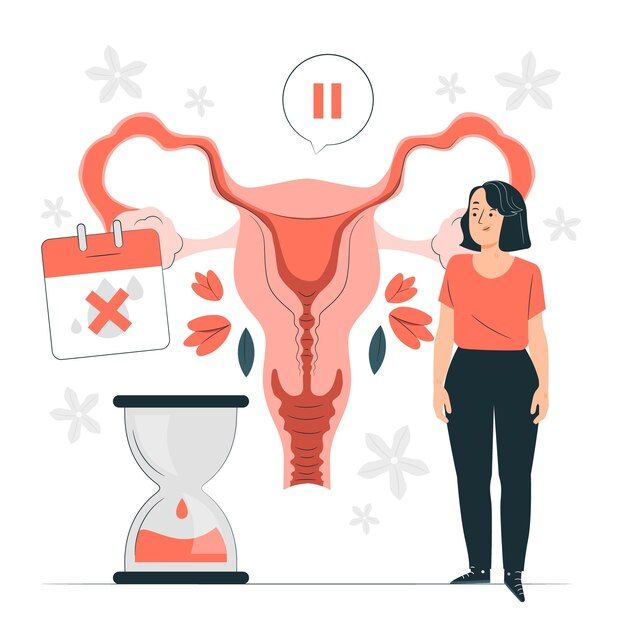
Before a period, hormones like estrogen and progesterone go up and down. These hormone changes affect chemicals in the brain that control mood, sleep, and energy. Because of this, women might feel different emotionally and physically.
Common Feelings and Body Changes
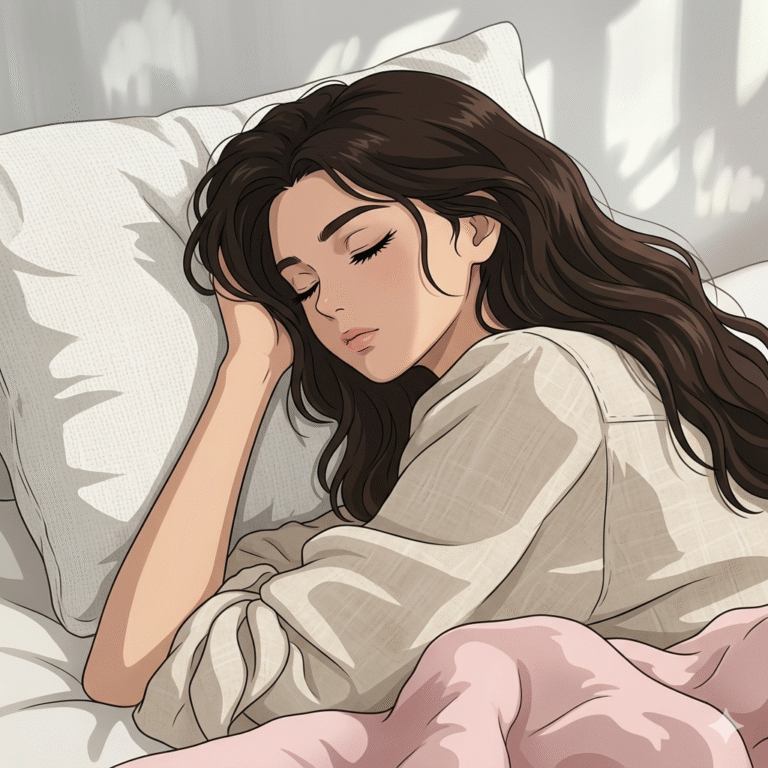
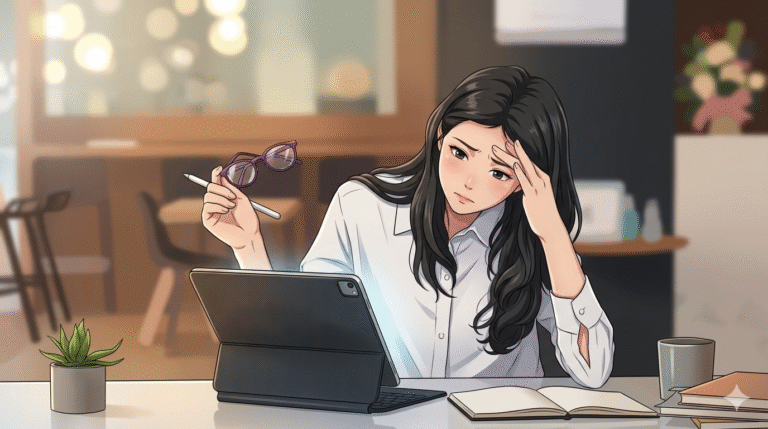
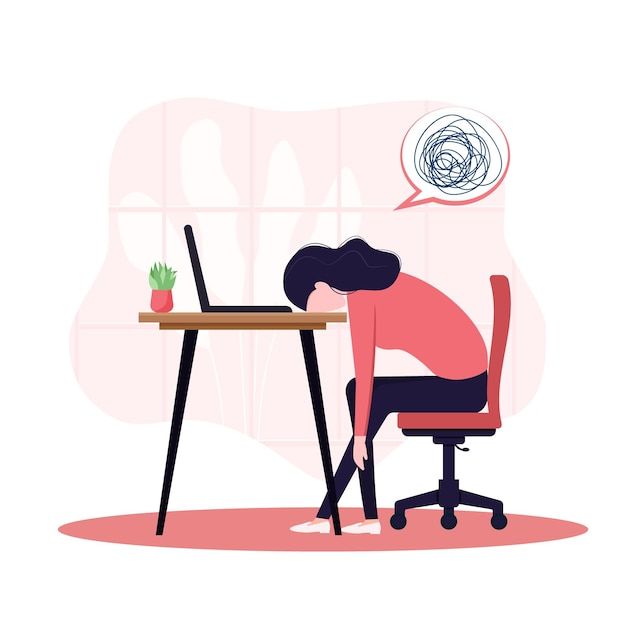
- Emotions: Women might feel sad, angry, moody, anxious, or tired. Sometimes it’s hard to focus or sleep well.
- Body: Breasts might feel sore or swollen. The belly can bloat and feel uncomfortable. Cramps, headaches, and aches in muscles or joints are common. Some also get acne or have changes in appetite, especially cravings.
Why Does PMS Happen?
PMS happens because the body is adjusting to hormone changes that prepare it for a possible pregnancy. If pregnancy doesn’t happen, these hormones drop, causing the symptoms. The brain chemicals that influence how women feel are also affected by these hormone swings.
Who Gets PMS?
Almost half of all women who have periods experience PMS to some level. For many, symptoms are mild, but for about 1 in 5 women, the symptoms can be strong enough to get in the way of daily life.
How Can PMS Be Made Easier?
- Lifestyle: Regular exercise, eating balanced meals, and getting enough sleep can help. Reducing caffeine, sugar, and salty foods might lower bloating and mood swings.
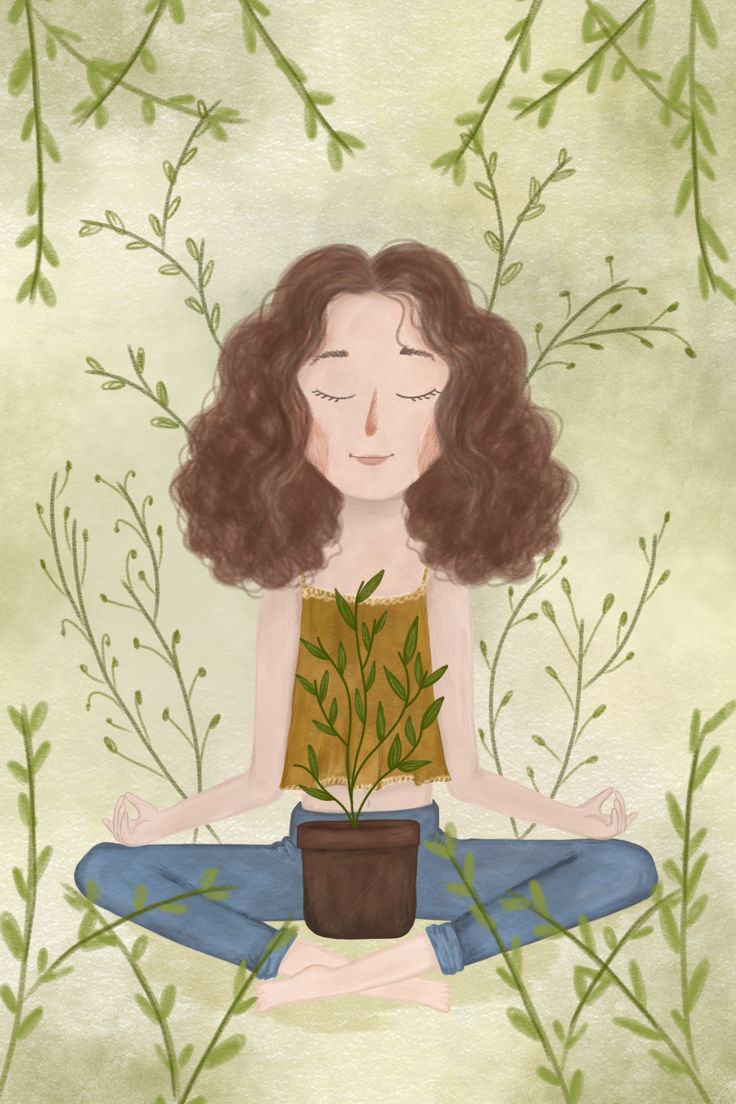
- Relaxation: Stress-relief activities like meditation, deep breathing, or gentle yoga can reduce emotional symptoms.
- Medical Help: If symptoms are very strong or include severe mood shifts, a doctor might suggest medicine or counseling. Sometimes a more serious form called Premenstrual Dysphoric Disorder (PMDD) needs special treatment.
For women seeking support or more information about premenstrual disorders including PMDD, resources like the International Association for Premenstrual Disorders (IAPMD) provide education, peer support, and access to clinical experts worldwide.
Additionally, Headspace offers guided mindfulness and relaxation exercises that can help manage stress and emotional symptoms commonly associated with PMS.
The Royal College of Obstetricians and Gynaecologists (RCOG) also provides patient-friendly information and advice for managing PMS symptoms effectively with healthcare professionals.
In simple words, PMS is the body and mind’s way of reacting to natural monthly hormone changes. Understanding these changes and taking small steps can help women feel better during this time each month.